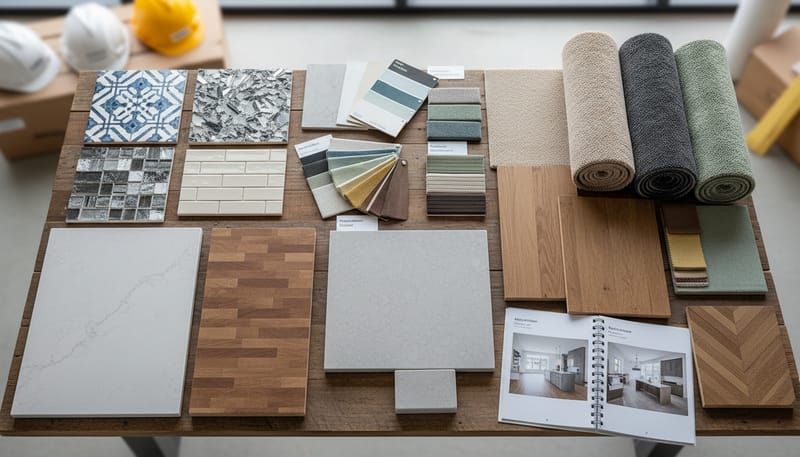
Why Customise Your New Build Home?
One of the most compelling advantages of buying a new build home is the opportunity to personalise it before you move in. Unlike purchasing an existing property where you inherit someone else’s choices, buying off-plan or at an early build stage gives you a genuine chance to shape your home to your tastes and lifestyle from day one. From selecting kitchen finishes and bathroom tiles to upgrading flooring, adding extra electrical sockets, and even making structural changes, the customisation options available can transform a standard specification into a truly bespoke home.
The extent of customisation available depends on several factors: the developer you’re buying from, the stage of construction when you reserve your plot, the house type, and the specific development. Developers understand that buyers want to feel their home is uniquely theirs, and most major UK housebuilders now offer comprehensive upgrade and customisation programmes. These range from simple colour and finish choices to substantial kitchen and bathroom upgrades, electrical enhancements, and structural modifications.
Understanding what’s available, when decisions need to be made, and how to get the best value from your customisation budget is essential. In this guide, we’ll walk you through every aspect of customising your new build – including what the standard specifications typically include, what upgrades are on offer, how costs compare between developer upgrades and doing the work yourself after completion, and practical tips for negotiating the best deal.
What Customisations Are Available?
The range of customisations available for new build homes has expanded significantly in recent years. Developers have recognised that offering a comprehensive choices programme is not only good for buyers but also enhances customer satisfaction and reduces complaints about standard specifications. Here’s a detailed breakdown of the main customisation categories.
Kitchen Upgrades
Kitchen upgrades are typically the most popular and most impactful customisation option. Most developers offer an upgrade path that allows you to move from the standard kitchen specification to a higher level. Common kitchen upgrades include:
- Unit door styles and colours: Upgrading from standard matt or shaker-style doors to handleless, gloss, or painted timber doors, often with a broader colour palette including contemporary greys, navy, sage green, or classic cream
- Worktops: Moving from laminate to quartz, granite, Corian, or solid surface composites. This is one of the most popular single upgrades and has a significant visual impact
- Appliance packages: Upgrading from entry-level brands to mid-range or premium brands such as Bosch, Neff, Siemens, or Miele. Adding appliances not included as standard, such as dishwashers, wine coolers, or warming drawers
- Splashbacks: Upgrading from tile splashbacks to glass, mirror, or composite alternatives
- Under-cabinet lighting: LED strip lighting beneath wall units, creating ambient illumination
- Additional storage: Pull-out larder units, corner carousels, integrated recycling bins, and bespoke pantry fittings
- Island or peninsula units: Where the kitchen layout permits, some developers offer the addition of a kitchen island or breakfast bar
Bathroom and En-Suite Upgrades
Bathroom upgrades can transform a functional space into a genuine retreat. The most common bathroom customisations include:
- Sanitaryware upgrades: Wall-hung toilets, rimless designs, designer basins, and freestanding baths
- Shower upgrades: Moving from a standard thermostatic mixer to a rain shower head with separate handset, digital controls, or a full walk-in enclosure
- Tiling upgrades: Full-height tiling, larger format tiles, feature walls, mosaic accents, and porcelain or natural stone options
- Vanity units and storage: Adding vanity units, mirrored cabinets, recessed shelving, or bespoke storage solutions
- Underfloor heating: Electric underfloor heating to bathroom and en-suite floors, offering luxury warmth
- Upgraded towel rails: Designer or electric heated towel rails in chrome, brushed brass, or matt black finishes
Flooring Upgrades
Flooring is one of the areas where upgrading through the developer can offer genuine convenience, as the work is completed before you move in. Options typically include upgrading from standard carpet to premium wool carpet, selecting luxury vinyl tile (LVT) or engineered hardwood for living areas and hallways, choosing porcelain over ceramic tiles for kitchens and bathrooms, and adding upgraded underlay for enhanced comfort and sound insulation.
Electrical and Technology Upgrades
Electrical upgrades must be completed during the build phase, making them particularly valuable customisations that are difficult or expensive to retrofit. Popular electrical upgrades include additional double sockets in any room, extra TV and data points, USB charging sockets, outdoor power sockets, Cat6 data cabling for home networking, enhanced lighting packages with LED downlights throughout and dimmer switches, external garden lighting, and pre-wiring for surround sound or multi-room audio systems.
Structural Changes
Structural modifications are the most significant customisation option but are only available at the earliest build stages. Where available, they might include removing or repositioning internal walls to create open-plan living spaces, adding bi-fold or sliding doors to the rear of the property, converting a garage to a habitable room, adding a utility room or downstairs cloakroom, upgrading window specifications or changing window positions, and adding a fireplace or chimney breast feature. Structural changes are typically only available on plots reserved before the superstructure is completed, and they often require additional planning and building regulations approvals, which the developer will manage.
Timing Windows and Build Stages
One of the most critical aspects of customising your new build is understanding when different changes need to be decided and confirmed. Developers work to strict build programmes, and each type of customisation has a specific window during which it can be accommodated. Missing a deadline typically means the option is no longer available, so understanding the timeline is essential.
Build Stage Timeline for Customisations
| Build Stage | Typical Timeframe | Available Customisations | Deadline Flexibility |
|---|---|---|---|
| Pre-foundation / Off-plan | Before build starts | Structural changes, room layout, window positions, garage conversions | Moderate – depends on planning |
| Foundation to first floor | Weeks 1–8 | Ground floor electrical layout, underfloor heating, additional plumbing | Limited – fixed once floor is laid |
| Superstructure | Weeks 4–14 | Upper floor electrics, additional sockets, data cabling, lighting positions | Limited – fixed once walls are plastered |
| First fix | Weeks 10–18 | Electrical upgrades, additional sockets, TV/data points, speaker pre-wiring | Strict deadlines – must be confirmed before plastering |
| Plastering and second fix | Weeks 14–22 | Kitchen unit selection, bathroom tile choices, worktop selection | Moderate – colour/finish can be adjusted |
| Finishing | Weeks 18–28 | Flooring selection, paint colours, door furniture, light fittings | More flexible – cosmetic choices |
| Pre-completion | Final 2–4 weeks | Minor cosmetic items only, no structural or electrical changes | Very limited |
As the table illustrates, the most impactful customisations – structural changes and electrical modifications – require the earliest decisions. This is one of the key advantages of buying off-plan or at an early build stage: you have the maximum range of options available. If you reserve a plot that’s already at the second fix stage, your options will be limited primarily to cosmetic choices such as tile colours, flooring, and paint finishes.
Most developers assign a dedicated customer choices coordinator or interior design consultant who will guide you through the selection process and ensure decisions are made within the required timeframes. They’ll typically invite you to a choices appointment at the developer’s design studio or show home, where you can see and feel the available options, compare finishes, and make your selections with professional guidance.
It’s worth booking your show home visit before your choices appointment so you can see the standard and upgraded specifications in person. Many show homes display both standard and upgraded options, giving you a clear visual comparison to inform your decisions.
Cost Comparison: Developer Upgrades vs DIY After Completion
One of the most common questions buyers ask is whether it’s better to order upgrades through the developer or to do the work independently after moving in. The answer depends on the specific upgrade, the developer’s pricing, and your personal circumstances. Here’s a detailed comparison for the most popular upgrades.
| Upgrade | Developer Cost | DIY/Independent Cost | Recommendation |
|---|---|---|---|
| Quartz worktops (3m run) | £1,500 – £3,500 | £1,200 – £3,000 | Similar cost; developer is more convenient |
| Upgraded kitchen doors | £1,200 – £4,000 | £2,000 – £6,000 | Developer often better value; integrated with units |
| Full bathroom tiling | £500 – £2,000 | £800 – £3,000 | Developer recommended; avoids disruption |
| LED downlights package | £400 – £1,200 | £800 – £2,500 | Developer strongly recommended; first-fix only |
| Additional double sockets (per socket) | £80 – £150 | £150 – £300 | Developer essential; must be done during build |
| Engineered wood flooring (per m²) | £45 – £90 | £35 – £80 | Can be cheaper independently but less convenient |
| Premium carpet upgrade (per m²) | £15 – £35 | £12 – £30 | Similar cost; developer pre-fitted advantage |
| Underfloor heating (bathroom) | £300 – £600 | £600 – £1,500 | Developer much cheaper; requires first-fix access |
| Walk-in shower upgrade | £600 – £2,500 | £1,500 – £4,000 | Developer recommended; avoids rework |
| Bi-fold doors (rear) | £2,500 – £6,000 | £4,000 – £10,000 | Developer much cheaper; structural integration |
| Garage conversion | £5,000 – £12,000 | £8,000 – £20,000 | Developer significantly cheaper; building regs included |
Estimated savings when ordering upgrades through the developer vs arranging independently after completion. Actual figures vary by developer and specification.
Key Takeaways on Cost Comparison
The general rule of thumb is that upgrades requiring access to the building’s structure or services – electrical work, plumbing modifications, underfloor heating, and structural changes – are almost always better value and less disruptive when ordered through the developer during the build process. These types of work require first-fix access (before walls are plastered and floors are laid), and retrofitting them after completion involves significantly more labour, making good, and potential disruption to finished surfaces.
Cosmetic upgrades such as flooring, kitchen worktops, and decorative finishes are more of a judgement call. Developer pricing is often competitive and includes the convenience of having everything installed before you move in, but independent suppliers may offer a wider selection and occasionally better prices. The key question is whether the convenience and warranty protection of ordering through the developer outweigh the potential savings of arranging the work independently.
One important consideration is that developer upgrades are typically covered under the new build warranty, whereas work completed independently after completion may not be. This can provide valuable peace of mind, particularly for more substantial upgrades.
How to Negotiate Upgrades and Get the Best Value
While developer upgrade lists have fixed prices, there is often more flexibility than you might expect. Negotiating on upgrades is a well-established practice in the new build industry, and developers are frequently willing to offer incentives, packages, and discounts to secure a sale. Here are practical strategies for getting the best value from your customisation budget.
Understanding Developer Incentive Packages
Many developers offer structured incentive packages that can include free or discounted upgrades as part of the overall deal. When negotiating your purchase, upgrades are often more negotiable than the headline property price. This is because upgrades have a retail price to the buyer but cost the developer significantly less – a £3,000 kitchen upgrade package might only cost the developer £1,200 to £1,500 in materials and labour. This means the developer can offer substantial-sounding upgrade packages without significantly impacting their margin.
Common incentive packages include flooring throughout the home, an enhanced kitchen specification (worktop and appliance upgrades), a lighting package with LED downlights and dimmer switches, turfed and landscaped gardens, or a combination of several of these. The total value of incentive packages typically ranges from £5,000 to £20,000 or more, depending on the developer, development, and the property you’re purchasing.
Timing Your Negotiation
The best time to negotiate on upgrades is when the developer is most motivated to secure sales. This typically includes end of financial quarter or year-end periods (when developers need to meet sales targets), early phases of a new development launch (when the developer wants to establish sales momentum), slower market periods, and when a development has unsold stock nearing completion. Sales advisers have varying levels of authority to offer incentives, and requests that require approval from a sales manager or regional director may take a few days to process.
Practical Negotiation Tips
- Do your research first: Know the standard specification and understand which upgrades offer the best value. Review the upgrades worth choosing before your negotiation
- Ask for a package rather than individual items: Developers are often more willing to offer a combined package than to discount individual items
- Be specific about what you want: Having a clear list of desired upgrades shows you’re a serious buyer with realistic expectations
- Consider the alternatives: If the developer won’t offer free upgrades, ask about discounted pricing, upgrading the standard specification to the next tier, or substituting one incentive for another
- Don’t forget to negotiate on the non-obvious items: Turf, fencing, patio areas, and garden landscaping can represent significant value and are sometimes easier to negotiate than kitchen or bathroom upgrades
- Be respectful and realistic: Developers have limits on what they can offer, and a collaborative approach is more likely to yield results than an aggressive one
Adding Upgrades to Your Mortgage
One practical advantage of ordering upgrades through the developer is that the cost can often be added to the purchase price and included in your mortgage, spreading the expense over the mortgage term rather than requiring an upfront payment. This can make more expensive upgrades accessible without depleting your savings. Discuss this option with your mortgage adviser to understand the implications for your monthly payments and overall borrowing.
However, be mindful that adding upgrades to your mortgage means you’ll pay interest on those costs over the life of the loan. A £5,000 upgrade package added to a 25-year mortgage at 5% interest would cost approximately £8,800 in total. For some upgrades, paying upfront may be more cost-effective if you have the funds available.
Developer Upgrade Packages vs DIY After Completion
The decision between ordering upgrades through the developer and arranging work independently after you move in is not always straightforward. Both approaches have distinct advantages, and the best strategy may involve a combination of the two.
Advantages of Developer Upgrade Packages
Ordering through the developer ensures that all work is completed before you move in, meaning no dust, disruption, or tradespeople in your new home during the critical first weeks and months. Everything is coordinated with the build programme, so there’s no risk of damage to existing finishes. Developer upgrades are typically covered under the building warranty, providing a safety net if issues arise. The developer manages all aspects of the work, from sourcing materials to installation and quality control.
Developer packages also offer the advantage of professional design coordination. The choices available have been curated to work together aesthetically, reducing the risk of clashing finishes or poorly coordinated selections. This is particularly valuable if you’re not confident making design decisions independently.
Advantages of DIY After Completion
Arranging upgrades independently after moving in gives you maximum choice and flexibility. You’re not limited to the developer’s approved suppliers and can source exactly the products you want from any manufacturer. This is particularly relevant for buyers with very specific design preferences or those who want to support local craftspeople and independent businesses.
Independent work can sometimes be less expensive for cosmetic upgrades, particularly if you’re willing to shop around, wait for sales, or do some of the work yourself. You also have the benefit of living in the space first, which can help you make more informed decisions about what upgrades are actually needed and where to invest your budget. Many buyers find that their priorities change once they’ve lived in a home for a few months.
However, be aware that doing your own work soon after completion may affect your snagging process and warranty coverage. Any issues caused by independent work will not be covered by the developer’s warranty, and modifications to electrical or plumbing systems must be carried out by qualified professionals and may require building regulations sign-off.
The Best Strategy: A Balanced Approach
For most buyers, the optimal strategy is to order upgrades through the developer that fall into one of these categories: items that require access during the build (electrical, structural, plumbing), items where the developer offers competitive pricing, and items where the convenience of pre-installation is highly valued. For purely cosmetic items where you want maximum choice or believe you can get better value independently, consider doing the work after completion – but factor in the disruption and the value of your own time.
Frequently Asked Questions
How far in advance do I need to make my customisation choices?
The timeline depends on the type of customisation and the build stage when you reserve. Structural changes typically need to be agreed before the superstructure is built (often 6–12 months before completion on larger homes), while electrical upgrades must be confirmed before plastering (usually 3–6 months before completion). Cosmetic choices like tile colours, flooring, and paint can often be made 6–12 weeks before completion. Your developer will provide a specific timeline with deadline dates for each category of choice. Reserving early in the build process gives you the widest range of options and the most time to make decisions.
Can I add my own upgrades to the developer’s work after completion?
Yes, you are free to make changes and improvements after completion, but you should be aware of warranty implications. Modifications to plumbing, electrical, or structural elements should be carried out by qualified professionals and may require building regulations approval. Any issues caused by your own work will not be covered by the developer’s warranty or the NHBC (or equivalent) structural warranty. It’s advisable to complete your snagging inspection before undertaking any independent work, so that any defects are clearly attributable to the developer rather than your modifications.
Are developer upgrades worth the cost compared to doing work independently?
This depends on the specific upgrade. Electrical work, structural modifications, underfloor heating, and plumbing changes are almost always better value through the developer, as they require access during the build phase and would be significantly more expensive and disruptive to retrofit. Cosmetic upgrades like flooring and worktops can sometimes be sourced independently at competitive prices, but you lose the convenience of having everything ready when you move in. On average, buyers who choose developer upgrades report high satisfaction with the balance of cost, convenience, and quality.
Can I negotiate free upgrades when buying a new build?
Yes, negotiation on upgrades is common and expected in the new build industry. Developers regularly offer upgrade packages as part of their sales incentives, and there is often room for discussion. The best times to negotiate are at the end of the developer’s financial quarter, during early phases of a new development, in slower market conditions, or when a plot has been available for some time. Focus on requesting a package of upgrades rather than individual items, and be willing to explore alternative combinations if your first request isn’t accepted. Our guide to negotiating new build incentives provides comprehensive strategies.
What happens if I change my mind about an upgrade after ordering it?
Most developers allow changes to customisation choices up to a specific deadline for each category. Once the deadline has passed and the work has been ordered or commenced, changes are typically not possible or may incur additional charges. If you’re unsure about a particular choice, discuss your concerns with the developer’s design consultant – they can often provide samples to take home, suggest alternatives, and help you make a confident decision. Some developers offer a “cooling off” period after the choices appointment during which changes can be made without penalty.
Making the Most of Your New Build Customisation
Customising your new build home before completion is one of the most exciting aspects of buying new, and with the right approach, it can add significant value, comfort, and personal satisfaction to your new home. The key is to start planning early, understand the timing requirements, compare costs carefully, and negotiate with confidence.
Begin by thoroughly reviewing the standard specification for your chosen property so you understand your starting point. Then prioritise the upgrades that will have the most impact on your daily life and that would be most difficult or expensive to do after moving in. Focus your budget on electrical enhancements, structural changes, and items that benefit from being integrated during the build, and consider whether cosmetic upgrades offer better value through the developer or independently.
Remember that your developer’s sales team and design consultants are there to help you through the customisation process. Use their expertise, visit design studios, take advantage of show home viewings, and don’t be afraid to ask questions. With thoughtful planning and smart choices, you can create a home that’s truly tailored to your lifestyle from the very first day you walk through the door. For more guidance on the entire buying journey, explore our comprehensive guide to buying a new build home in the UK.