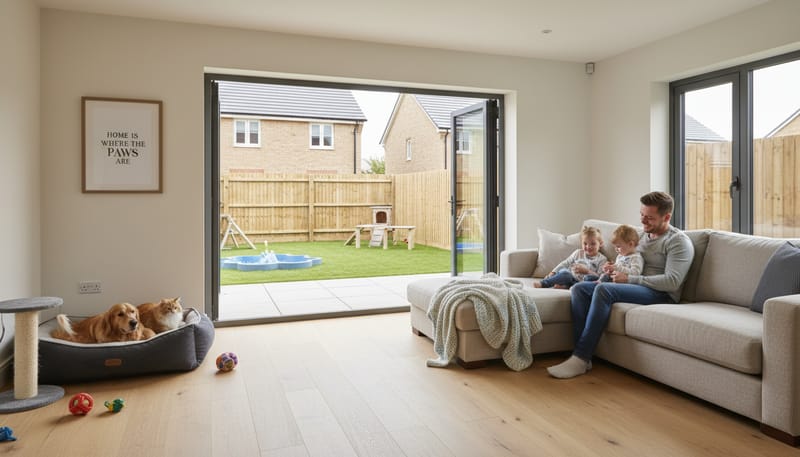
Before You Move: Check Your Covenants
Before committing to a new build purchase with pets in mind, it is essential to check whether your property has any restrictive covenants relating to animal ownership. While most freehold houses on new build estates do not restrict pet ownership, some leasehold properties — particularly apartments and shared-ownership homes — may have clauses that limit the type, size, or number of pets you can keep. These are typically set by the freeholder or management company and are legally binding.
Your solicitor should identify any pet-related covenants during the conveyancing process, but it is worth asking specifically about them, as they can sometimes be buried in lengthy lease documents. Common restrictions include bans on dogs over a certain weight, limits to one pet per household, requirements for written permission from the management company, and prohibitions on keeping pets in communal hallways or corridors. If you already own pets and find restrictive covenants, discuss this with your solicitor before proceeding — breaching a covenant can lead to legal action.
Important: Even if there are no formal restrictions, check for estate-wide rules about dogs being kept on leads in communal areas, requirements to clean up after your pet, and any designated dog exercise areas. These rules are typically included in the estate management company’s terms and are designed to maintain a pleasant environment for all residents.
Pet-Proofing Your New Build Interior
Your new build home is in pristine condition — fresh paint, clean carpets, unmarked walls, and gleaming worktops. Maintaining this condition while living with pets requires a combination of practical preparation, smart product choices, and realistic expectations. Here is a room-by-room guide to pet-proofing your new home.
Hallway and Entrance
The hallway takes the brunt of muddy paws and wet coats. Invest in a washable doormat (large, at least 60x90cm) and a paw-washing station near the door. Muddy Buddy dog towels (£8–£15) or a Dexas MudBuster paw cleaner (£12–£18) are invaluable. Consider replacing the developer’s standard carpet with luxury vinyl tile (LVT), which is waterproof, scratch-resistant, and easy to clean. LVT costs £20–£40 per square metre installed and is available from Carpetright, Topps Tiles, and B&Q.
Living Room
Protect your sofa with a washable throw or pet-specific sofa cover (£20–£60 from Amazon or Wayfair). Consider stain-resistant fabrics like microfibre or performance velvet for any new furniture purchases. Secure loose cables from TVs, lamps, and consoles using cable tidies — chewing cables is a common puppy hazard and an electrical fire risk. Avoid placing toxic houseplants within reach.
Kitchen
Keep cleaning products, medications, and toxic foods (chocolate, grapes, onions, xylitol sweetener) in secure cupboards. Child locks (£5–£10 for a pack from Argos) work perfectly for pet-proofing lower cabinets. Place food and water bowls on a silicone mat to protect flooring (£5–£15). Ensure pedal bins have secure lids — dogs are notorious bin raiders. A stair gate across the kitchen doorway can restrict access when needed (£20–£50).
Bedrooms
If pets are allowed in bedrooms, use a washable bed cover and vacuum regularly. Invest in a quality pet bed to discourage them from sleeping on your bed (£30–£80 for a memory foam dog bed from Orvis or Ruffwear). For cats, provide a window-mounted perch (£20–£40) — they love watching the world from a height. Consider keeping bedroom doors closed during the drying-out period to prevent pets accessing areas with fresh plaster that may attract licking.
Flooring: The Pet Owner’s Most Important Decision
If there is one investment that makes the biggest difference for pet owners in a new build, it is upgrading the flooring. The standard carpet provided by most developers is not designed to withstand the wear and tear of pet ownership — it stains easily, traps pet hair, absorbs odours, and can be damaged by claws. Replacing carpet in high-traffic areas with a hard-wearing, pet-friendly alternative is one of the smartest upgrades you can make.
Pet-Friendly Flooring Comparison
Our top recommendation for pet owners is Luxury Vinyl Tile (LVT) from brands such as Karndean, Amtico, or Quick-Step Livyn. It looks like real wood or stone, is completely waterproof, highly scratch-resistant, comfortable underfoot, and easy to clean. Karndean Palio Clic, available from around £25 per square metre at Topps Tiles, is a particularly popular choice that can be fitted as a DIY project using its click-lock system, avoiding the need for adhesive.
Creating a Pet-Friendly Garden
The garden is where your pet will spend much of their outdoor time, and getting the design right from the start saves money, effort, and heartache later. New build gardens typically arrive as a blank canvas — basic turf, a small patio area, and panel fencing — which is actually an advantage, as you can design the space with your pet’s needs in mind from the outset rather than retrofitting an existing garden.
Garden Security Checklist for Pet Owners
- ✓ Check all fencing for gaps — dogs can squeeze through surprisingly small spaces (15cm for a small dog)
- ✓ Ensure fence height is appropriate — minimum 1.5m for medium dogs, 1.8m for large/athletic breeds
- ✓ Block gaps at the bottom of fences with gravel boards or L-shaped mesh (to prevent digging under)
- ✓ Install self-closing springs on all gates (from £8–£20 at Screwfix or B&Q)
- ✓ Remove or fence off any toxic plants (see list below)
- ✓ Store garden chemicals, fertilisers, and slug pellets in a locked shed or high shelf
- ✓ Cover or fence any pond or water feature (drowning risk for small pets)
- ✓ Provide a shaded area for hot weather and shelter for rain
Toxic Plants: What to Avoid
Many common garden and house plants are toxic to dogs and cats if ingested. Developers sometimes include these in the initial landscaping without considering pet safety. Check your garden carefully and remove or fence off any of the following plants. The ASPCA and Dogs Trust both maintain comprehensive lists, but here are the most common culprits found in UK gardens.
Toxic to Dogs
- ✗ Daffodils (especially bulbs)
- ✗ Tulips (bulbs most toxic)
- ✗ Azaleas and Rhododendrons
- ✗ Foxglove (highly toxic)
- ✗ Yew (berries and leaves)
- ✗ Conkers and acorns
Toxic to Cats
- ✗ Lilies (extremely toxic — all parts)
- ✗ Chrysanthemums
- ✗ Ivy (Hedera helix)
- ✗ Cyclamen
- ✗ Autumn crocus
- ✗ Oleander
Pet-Safe Alternatives: Many beautiful plants are perfectly safe for pets. Consider sunflowers, snapdragons, roses (remove thorns at ground level), lavender (safe for dogs, mildly toxic to cats in large quantities), marigolds, and asters. For indoor plants, spider plants, Boston ferns, and parlour palms are all pet-safe choices. The Dogs Trust website has a comprehensive searchable database of safe and toxic plants.
Garden Design for Dogs
Dogs need exercise, stimulation, and a secure outdoor space. A well-designed garden can provide all three, even in the relatively modest plots typically found on new build estates. The key is to divide the space into zones that cater to both human and canine needs, using durable materials that can withstand regular use.
One of the biggest decisions for dog owners is whether to keep natural grass or install artificial turf. Natural grass is softer and more environmentally friendly but suffers from urine burn, wear patterns from running, and becomes muddy in winter. Pet-grade artificial grass (with drainage holes and antimicrobial treatment) eliminates these problems and is easy to clean with a hose. Brands like Namgrass, Easigrass, and LazyLawn offer pet-specific ranges from around £15–£25 per square metre installed. Alternatively, you can maintain natural grass by reseeding worn areas in spring with a hard-wearing grass seed mix (such as Johnsons Tuffgrass, £12–£20 per box) and applying Dog Rocks to the water bowl to neutralise urine pH (£10–£15, lasting two months).
Dog Garden Enrichment Ideas
Cat-Proofing Your New Build
Cats present different challenges to dogs in a new build setting. They are more independent, tend to cause less visible damage (though scratching can be an issue), and have specific needs around territory, outdoor access, and climbing. New build homes, with their open-plan layouts and large windows, can actually be excellent for cats — provided you make a few key adaptations.
One of the most important decisions for cat owners in a new build is whether to allow outdoor access. If your property is near a busy road or you are concerned about neighbouring cats or wildlife, keeping your cat indoors or creating a secure outdoor space (catio) may be the best option. For cats that will go outdoors, installing a microchip-activated cat flap ensures only your cat can enter, keeping strays out. The SureFlap Microchip Cat Flap (£70–£100) and the SureFlap DualScan (£100–£130) are the market leaders in the UK.
Warranty Warning: Installing a cat flap in a new build door or window may affect your NHBC warranty on that specific element. Check with your developer before making any modifications to external doors or windows during the warranty period. Many pet owners opt to install the cat flap in a side panel or utility door rather than the main entrance to minimise warranty implications. A professional installer experienced with new builds can advise on the best approach.
Essential Pet Products for New Build Homes
Investing in the right products makes a significant difference to both your pet’s comfort and your home’s condition. Here are our top recommended products for pet owners in new build homes, selected for their effectiveness, durability, and suitability for modern interiors.
Dyson V15 Detect
The gold standard for pet hair removal. Laser detection reveals hidden dust and hair. The pet grooming kit attachment is a game-changer. Alternatives: Shark Anti Hair Wrap (£250–£400) or Henry Pet (£170–£200) for a budget option.
Vax SpotWash
Essential for quick carpet and upholstery stain removal. The compact design fits in a cupboard. Uses a mix of water and cleaning solution to extract stains from fabric. Perfect for pet accidents on carpeted areas. Alternative: Bissell SpotClean Pro (£120–£160).
Stair Gates / Pet Gates
Pressure-fit gates require no drilling (important for new build walls). Use to restrict access to stairs, bedrooms, or the kitchen during cooking. The BabyDan Premier Pressure Fit (£30) and Lindam Easy Fit Plus (£25) are popular, non-marking options available from Argos and Amazon.
Pet Camera
Monitor your pet when you are out. The Furbo Dog Camera (£160–£200) includes two-way audio, treat dispensing, and barking alerts. Budget alternatives: TP-Link Tapo C200 (£25–£30) or Eufy Indoor Cam (£30–£40) for basic monitoring without the treat feature.
Managing Pet Hair and Odours
Pet hair and odours are the two biggest ongoing challenges for pet owners in any home, but they are particularly noticeable in a new build where everything starts clean and fresh. Establishing a regular cleaning routine from day one prevents buildup and keeps your home feeling new for longer.
Weekly Pet Cleaning Schedule
Pet Costs: Budgeting for a Pet in Your New Build
Owning a pet is a significant financial commitment, and it is important to budget realistically — especially when you are also managing the costs of a new home. The PDSA estimates that the average lifetime cost of owning a dog is £20,000–£33,000, and for a cat, £12,000–£24,000. Here is a breakdown of the key annual costs you should budget for.
Annual Dog Costs
Annual Cat Costs
Helping Your Pet Settle into a New Build
Moving is stressful for pets as well as humans. Dogs and cats are creatures of habit who rely on familiar environments for security, and a brand-new home with unfamiliar smells, sounds, and spaces can be disorienting. Taking steps to ease the transition will help your pet settle in faster and reduce anxiety-related behaviours such as barking, scratching, hiding, or toileting accidents.
For Dogs
- ✓ Bring their existing bed, blankets, and toys — familiar scents are comforting
- ✓ Keep feeding times and walk routines consistent from day one
- ✓ Introduce the house room by room rather than giving full access immediately
- ✓ Walk the local area together to establish new walking routes
- ✓ Use an Adaptil diffuser (£18–£25) to release calming pheromones
For Cats
- ✓ Keep indoors for at least 2–4 weeks to establish the new home as their territory
- ✓ Set up a “safe room” with litter tray, food, water, bed, and hiding spots
- ✓ Gradually introduce them to other rooms one at a time
- ✓ Use a Feliway Classic diffuser (£18–£25) for calming pheromones
- ✓ Update microchip details with your new address immediately
Finding Local Pet Services
When you move to a new area, you will need to find trusted local pet services quickly. Here is a checklist of essential services to set up in the first few weeks, along with tips for finding quality providers near your new build estate.
Essential Local Pet Services
Frequently Asked Questions
Will having a pet affect my home insurance?
Most standard home insurance policies do not charge extra for pet owners, but you should disclose that you have pets. Some policies exclude damage caused by pets, so check the terms carefully. If you have a dog breed that appears on some insurers’ restricted lists (e.g., certain bull breeds), you may need to declare this. Pet damage to your own property is rarely covered by home insurance — it is considered wear and tear. However, pet liability insurance (covering damage your pet causes to other people or their property) is usually included in dog insurance policies.
Can I install a cat flap without voiding my warranty?
Installing a cat flap modifies the door or window, which may void the warranty on that specific element. Contact your developer’s aftercare team before installation to discuss the best approach. Many opt to install the cat flap in a less prominent location (such as a utility room window or side panel) and use a professional installer experienced with new builds. The warranty on the rest of the home will not be affected.
How do I stop my dog from ruining the new lawn?
Train your dog to use a designated toilet area (a gravel or bark-covered section works well). Water the area immediately after your dog urinates to dilute the nitrogen. Use Dog Rocks in their water bowl (£10–£15) to reduce urine nitrogen content. Reseed worn areas with a hard-wearing grass seed like Johnsons Tuffgrass. For persistent issues, consider pet-grade artificial turf for the main play area while keeping a natural section for aesthetics.
Are there any grants or help with pet costs for new homeowners?
While there are no specific grants for pet ownership linked to new homeownership, several charities provide support. The PDSA offers free and reduced-cost veterinary treatment for eligible owners in financial hardship. Dogs Trust and Cats Protection run neutering campaigns and can assist with costs. Blue Cross animal hospitals provide subsidised treatment. Many veterinary practices also offer payment plans or pet health clubs that spread costs monthly (typically £10–£20 per month for routine care).
Final Thoughts: Happy Pets, Happy Home
A new build home and pet ownership can coexist beautifully with the right preparation. By investing in pet-friendly flooring, securing your garden, choosing durable furnishings, and establishing good routines, you can enjoy a pristine home and happy, healthy pets. The key is to be proactive rather than reactive — making smart choices from day one prevents damage and creates a home that works for every member of the family, including the four-legged ones.
For more homeownership advice, explore our guides on your first year in a new build, building community on your estate, and setting up a home office in your new build.