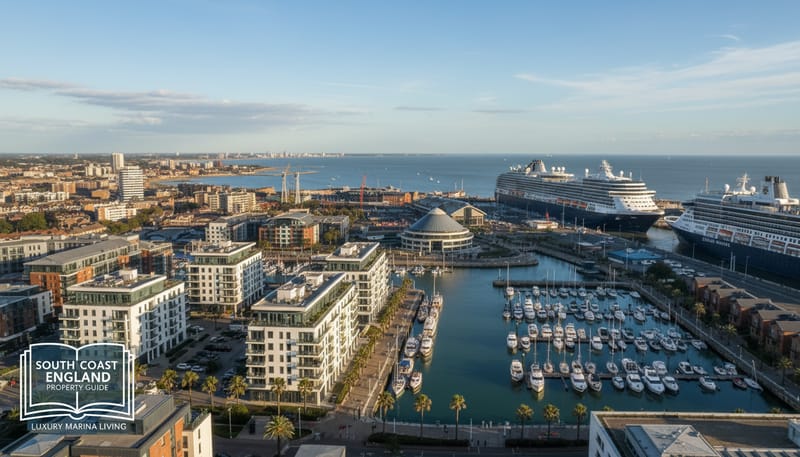
New Build Homes in Southampton: Area Guide and Developments
Southampton, England’s gateway to the sea, is a city undergoing a remarkable transformation. Once known primarily as a port and cruise terminal, Southampton is reinventing itself with ambitious waterfront regeneration, a thriving university sector, and a growing reputation as an affordable alternative to the overheated housing markets of London and the wider South East. With average new build prices significantly below the regional average and strong rental yields driven by two major universities, Southampton offers genuine opportunities for first-time buyers, families, and investors alike.
From the marina apartments of Ocean Village to the leafy family suburbs of Chandlers Ford and Hedge End, Southampton’s diverse neighbourhoods cater to every lifestyle and budget. This comprehensive guide takes you through every aspect of buying a new build home in Southampton — from detailed area analysis and price comparisons to transport connectivity, schools, developers, and the city’s exciting investment outlook.
Why Choose Southampton for Your New Build Home?
Southampton’s appeal begins with its strategic location. Positioned on England’s south coast between the New Forest and the Solent, the city enjoys excellent road connections via the M3 (to London, 80 miles) and M27 (to Portsmouth and Bournemouth), its own international airport, a major railway station with fast services to London Waterloo, and of course the world-famous cruise port — the busiest in the UK and one of the largest in Europe. Few cities of comparable size offer such comprehensive transport links.
The city’s economy is diverse and resilient, built on maritime industries, financial services, healthcare, and a rapidly growing digital sector. The University of Southampton (a Russell Group institution) and Solent University together attract over 40,000 students, creating a vibrant community and strong rental demand. Major employers including Ordnance Survey (headquartered in Southampton), Associated British Ports, and the National Oceanography Centre provide economic stability.
From a property perspective, Southampton offers notable value within the context of the South of England. Average new build prices of around £295,000 compare favourably with nearby Winchester (£450,000+), Bournemouth (£340,000), and are a fraction of London prices. This affordability, combined with the city’s improving lifestyle offering and major regeneration investment, positions Southampton as a market with strong growth potential.
Area-by-Area Breakdown: Where to Buy in Southampton
Southampton’s neighbourhoods range from the waterfront buzz of Ocean Village to the suburban tranquillity of Chandlers Ford, offering diverse options for new build buyers. Understanding the character, pricing, and connectivity of each area is essential for making the right choice.
Ocean Village & City Centre
Ocean Village is Southampton’s premier waterfront destination, centred around a marina with restaurants, bars, and a cinema. Contemporary apartment developments here offer marina views and a lifestyle-focused living experience. One-bedroom apartments start from around £175,000, with premium two-bedroom marina-view units commanding £280,000–£380,000. The adjacent city centre has seen significant apartment development in recent years, particularly around the Cultural Quarter near the Mayflower Theatre and Southampton City Art Gallery. This area appeals strongly to young professionals and investors.
Portswood & Highfield
Portswood is the heart of Southampton’s student area, adjacent to the University of Southampton’s Highfield Campus. Portswood Road provides a lively high street with independent shops, cafes, and international restaurants. Highfield, slightly uphill, offers a more residential feel with access to the attractive Southampton Common. New build opportunities are a mix of apartment schemes and smaller housing developments, with prices ranging from £170,000 for a one-bedroom flat to £320,000 for a three-bedroom house. The area is a buy-to-let hotspot with very strong rental demand from students and university staff.
Bitterne & Bitterne Park
Bitterne and Bitterne Park sit east of the River Itchen and offer some of Southampton’s most affordable family housing. Bitterne Park, distinguished from its neighbour by the ‘Park’ suffix, has a more upmarket character with a popular triangle of shops and restaurants and proximity to Riverside Park along the Itchen. New build three-bedroom houses in Bitterne start from around £250,000, while Bitterne Park commands a slight premium at £280,000+. Both areas benefit from good bus links and relatively easy access to the M27 via the A3024.
Woolston & Peartree
Woolston and Peartree, accessed via the Itchen Bridge from the city centre, are areas with significant regeneration potential. The former Vosper Thornycroft shipyard site and other riverside land present major development opportunities. Current new build prices are among the most affordable in the city, with two-bedroom houses from £185,000 and three-bedroom homes from £235,000. With waterfront views across to Ocean Village and the city centre, and ongoing investment in the area, Woolston appeals to value-conscious buyers and investors looking for future growth potential.
Shirley & Freemantle
Shirley is one of Southampton’s most established suburbs, with its own thriving high street along Shirley Road offering a wide range of shops, restaurants, and services. The area has a diverse, multicultural community and excellent bus connections to the city centre (15 minutes). Freemantle, adjacent, has a slightly more upmarket character with attractive period properties. New build opportunities in both areas tend to be smaller-scale apartment and townhouse schemes, with two-bedroom homes from £210,000 and three-bedroom houses from £270,000.
Chandlers Ford
Chandlers Ford sits on Southampton’s northern edge (technically in Eastleigh borough) and is one of the most popular family areas in the Southampton conurbation. Known for excellent schools, a village-centre feel, and easy access to both the M3 and Southampton city centre, Chandlers Ford attracts families willing to pay a premium for space and quality of life. New build four-bedroom detached homes start from around £450,000, with three-bedroom semis from £350,000. The area also has its own railway station with services to Southampton Central and Winchester.
Hedge End & Botley
Hedge End and neighbouring Botley have become one of the most active new build markets in the Southampton area, with multiple large-scale developments by national housebuilders. Located east of the city with direct access to the M27 and a railway station at Hedge End, the area offers modern family homes at more accessible prices than Chandlers Ford. Three-bedroom new builds start from around £300,000, with four-bedroom detached homes from £380,000. The Boorley Park development near Botley is one of the largest current schemes in the area.
Totton & Marchwood
Totton and Marchwood lie just west of Southampton on the edge of the New Forest, offering an appealing combination of affordable housing, good transport links, and proximity to one of England’s most beautiful national parks. Totton has its own railway station and town centre, while Marchwood benefits from waterfront access along Southampton Water. New build three-bedroom houses start from around £275,000, making this an attractive option for families wanting New Forest access without premium New Forest prices.
New Build Price Analysis: Southampton in Context
Southampton offers genuine value within the context of southern England, where property prices are typically among the highest in the UK. The city’s new build market is well-served by national developers and provides a clear price advantage over nearby cities.
Southampton’s prices have grown steadily at 3–5% annually, broadly in line with the South East average. The waterfront areas and city centre have seen stronger growth driven by regeneration activity, while the suburban fringe areas have benefited from the post-pandemic demand for space and gardens. For broader UK price context, see our guide to new build house prices across the UK.
Transport and Connectivity
Southampton’s transport connectivity is a major strength, with comprehensive road, rail, air, and sea links that few cities of comparable size can match.
The city is also investing in sustainable transport, with an expanding network of cycle routes, improved bus services, and plans for enhanced rail connectivity. The proximity of Southampton Airport Parkway station to the airport makes it particularly convenient for frequent flyers who want to avoid the London airports.
Schools and Education
Southampton’s schools picture varies significantly by area, making location choice particularly important for family buyers. The city itself has a mixed educational profile, but the wider Southampton area includes some outstanding schools, particularly in the Chandlers Ford, Hedge End, and Eastleigh districts.
At secondary level, Thornden School in Chandlers Ford is consistently among the top-performing state schools in Hampshire, while Wildern School in Hedge End and Toynbee School in Eastleigh also achieve strong results. Within the city boundary, Bitterne Park School and Upper Shirley High have good reputations, while King Edward VI School provides a selective option. Notable primary schools include Highfield Church of England Primary, Thornhill Primary, and several excellent schools in Chandlers Ford including Hiltingbury Junior School.
Southampton’s two universities — the University of Southampton (Russell Group, world top 100) and Solent University — are major assets to the city. The University of Southampton’s research strengths in engineering, computer science, and oceanography attract global talent and investment, while Solent University’s focus on creative industries and maritime contributes to the city’s diverse economy. For tips on navigating school catchments, see our school catchment guide for new build buyers.
Waterfront Regeneration and Future Developments
Southampton’s waterfront regeneration programme is the single most transformative initiative for the city’s property market. The ambition is to reconnect the city centre with its waterfront — historically separated by the port and railway infrastructure — through a series of major mixed-use developments that will create new residential, commercial, and leisure spaces along the waterside.
Beyond the waterfront, major developments across the wider Southampton area include the ongoing expansion at Boorley Park (near Botley), the North Stoneham Park development by Highwood Group near Eastleigh, and various city centre apartment schemes. The Bargate Quarter development in the city centre is transforming the historic Bargate shopping area into a vibrant mixed-use district with new homes, shops, and public spaces.
Developers Active in Southampton
Barratt/David Wilson Homes
Active across the Southampton area with developments targeting both the first-time buyer and executive family markets. David Wilson Homes offers the premium range with higher specifications and larger plots in desirable locations.
Taylor Wimpey
One of the most active developers in the greater Southampton area with multiple live sites in Hedge End, Botley, and surrounding locations. Offers a wide range of house types at competitive prices.
Persimmon Homes
Provides affordable new build options across the Southampton region, with developments particularly aimed at first-time buyers. Several active sites in the Eastleigh and Hedge End areas.
Linden Homes
Part of Vistry Group, Linden Homes targets the mid-to-upper market with developments in Chandlers Ford and other premium locations. Known for higher-specification homes and carefully designed schemes.
Highwood Group
A regional developer responsible for the significant North Stoneham Park development near Eastleigh, delivering over 1,000 new homes alongside community facilities, a new school, and extensive green spaces.
Bellway
Active in the wider Southampton area with developments targeting the family market. Bellway’s Hampshire division has delivered several well-regarded schemes in the Eastleigh and Winchester corridor.
Lifestyle and Culture
Southampton’s lifestyle offering has improved enormously in recent years and continues to evolve. The city’s maritime heritage is ever-present, from the SeaCity Museum (which tells the story of the city’s Titanic connections) to the medieval walls and Bargate — one of the finest medieval gatehouses in England. The Cultural Quarter around the Mayflower Theatre (one of the largest regional theatres in the UK), John Hansard Gallery, and City Art Gallery provides a strong cultural core.
Shopping is well-served by the WestQuay complex — one of the largest shopping centres in the South of England — along with its restaurant-focused extension, WestQuay Watermark, which added major dining brands and a cinema overlooking the waterfront. For independent shopping, Bedford Place and the cultural quarter provide boutique alternatives to the high street chains.
Sport plays a central role in city life, with Southampton FC at St Mary’s Stadium, Hampshire Cricket at the Ageas Bowl (a world-class venue just outside the city in West End), and excellent sailing and watersport opportunities on Southampton Water and the Solent. The city’s position adjacent to the New Forest provides unrivalled access to outdoor recreation, from walking and cycling to horse riding, while the South Downs National Park is accessible to the east. The Isle of Wight, reachable in 25 minutes by Red Jet ferry, provides an additional dimension for leisure and day trips.
Investment Outlook and Market Trends
Growth Drivers
- ▲ £450m+ Royal Pier Waterfront scheme
- ▲ Growing cruise and maritime economy
- ▲ Two universities with 40,000+ students
- ▲ Relative affordability vs South East average
- ▲ Excellent transport connectivity
Considerations
- ● Regeneration timescales can be extended
- ● Some city centre areas still require improvement
- ● Itchen Bridge toll adds costs for east-side residents
- ● Competition from nearby Winchester and New Forest
- ● School quality varies significantly by area
Southampton’s investment case rests on the combination of current affordability, major regeneration investment, and sustained rental demand from the university sector. Rental yields of 5–6% in the city and 4–5% in the suburbs compare well with regional averages, while the waterfront regeneration programme promises to lift values in the city centre and surrounding areas as schemes are delivered. For investment strategies, see our guide on investing in new build properties.
Tips for Buying a New Build in Southampton
Frequently Asked Questions
Final Thoughts
Southampton is a city on the rise, offering a compelling combination of affordability, connectivity, and regeneration-driven growth potential. Whether you’re drawn to the waterfront lifestyle of Ocean Village, the academic energy of Portswood, the family-friendly suburbs of Chandlers Ford and Hedge End, or the value opportunities in Woolston and Bitterne, the city’s new build market has something for every type of buyer.
The combination of two major universities, a diverse economy anchored by the maritime sector, and transformative waterfront regeneration creates a strong foundation for continued property market growth. For those priced out of London or the wider South East commuter belt, Southampton offers a genuine alternative with an enviable quality of life — the New Forest on your doorstep, the Solent at your feet, and London just 80 minutes away by train. Explore our other area guides covering new builds in Cambridge and new builds in Oxford for further comparisons.