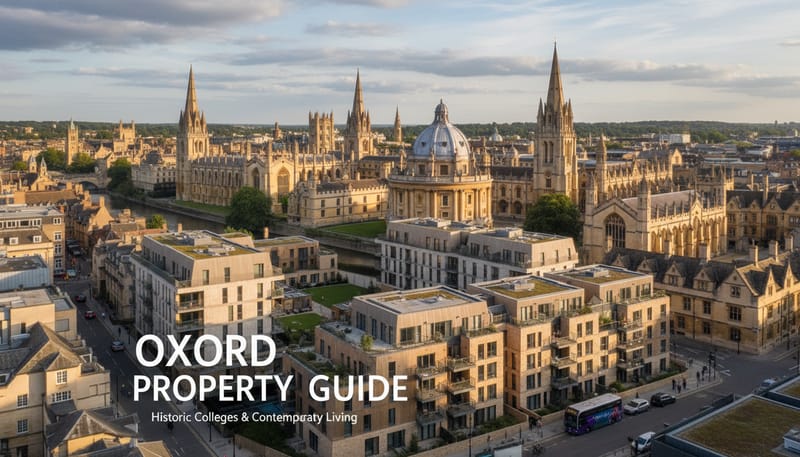
New Build Homes in Oxford: Area Guide and Developments
Oxford, the ‘City of Dreaming Spires’, is one of the most iconic and desirable places to live in the United Kingdom. Home to the world’s most famous university, a thriving life sciences and technology sector, and architectural beauty that spans nearly a millennium, Oxford commands property prices that reflect its extraordinary appeal. Yet the city is also one of the most constrained housing markets in England, hemmed in by its Green Belt and facing intense demand from a high-income, internationally mobile population. This creates a fascinating and complex market for new build buyers.
From the bohemian charm of Jericho to the family-friendly avenues of Summertown and the ambitious new development at Barton Park, Oxford’s neighbourhoods offer contrasting experiences and price points. This guide provides a thorough exploration of buying a new build home in Oxford — covering every key area, price analysis, transport connectivity, schools, green belt implications, developer activity, and the city’s compelling investment outlook.
Why Choose Oxford for Your New Build Home?
Oxford’s appeal extends far beyond its university heritage. The city is home to a rapidly growing life sciences and technology cluster, anchored by the Oxford University Innovation ecosystem and the Oxford Science Park. Major pharmaceutical companies including AstraZeneca, Novartis, and numerous biotech startups are based in and around the city, creating a high-income workforce that drives premium property demand. The Harwell Science and Innovation Campus, just 15 miles south, adds further economic depth.
The city’s cultural life is extraordinarily rich. The Ashmolean Museum (the world’s oldest public museum), the Bodleian Library, the Pitt Rivers Museum, and the annual literary, music, and cultural festivals create an environment of intellectual stimulation that few places can match. Combined with the beautiful surrounding countryside of the Cotswolds, Chilterns, and Thames Valley, Oxford offers a lifestyle that attracts buyers from across the UK and around the world.
The fundamental challenge in Oxford’s property market is supply. The city is tightly constrained by its Green Belt, which limits outward expansion and creates intense competition for available land. This constraint is the primary driver of Oxford’s premium pricing and also explains why new build opportunities, when they arise, generate strong demand. Major developments such as Barton Park, Oxpens, and the Northern Gateway are addressing this shortage, but supply will remain limited relative to demand for the foreseeable future.
Area-by-Area Breakdown: Where to Buy in Oxford
Oxford’s compact geography means that most areas are within cycling distance of the city centre, yet each neighbourhood has a distinct character and price profile. The key division is between the prestigious central and northern suburbs (Jericho, Summertown, Wolvercote) and the more affordable eastern and southern areas (Headington, Cowley, Barton Park) where most new build activity is concentrated.
Jericho
Jericho is Oxford’s most fashionable neighbourhood, a compact area of Victorian artisan cottages between the Oxford Canal and Walton Street. Famous as the setting for Colin Dexter’s Inspector Morse novels, Jericho has evolved into a vibrant quarter of independent bookshops, cafes, restaurants, and the Phoenix Picturehouse cinema. New build opportunities here are extremely rare and typically involve small, high-end apartment schemes or sensitive conversions. When available, one-bedroom apartments start from around £400,000 and two-bedroom properties can exceed £650,000. The nearby Jericho Wharf and Castle Mill areas have seen some recent development.
Summertown
Summertown is Oxford’s most desirable family suburb, running along the Banbury Road approximately 1.5 miles north of the city centre. Its excellent primary and secondary schools, attractive high street with quality independent shops and restaurants, and proximity to both the University parks and Port Meadow make it the top choice for affluent families. New build opportunities are limited and premium-priced. Four-bedroom homes start from around £850,000, with larger properties exceeding £1.5 million. The area’s school catchment drives significant demand.
Headington
Headington, on Oxford’s eastern flank, is a large and diverse suburb home to the John Radcliffe Hospital (one of the UK’s leading teaching hospitals), Oxford Brookes University, and the distinctive Shark House (a famous folly). The area includes the upmarket Old Headington village with its medieval buildings and the more commercial Headington shops along the London Road. New build activity has increased in recent years, with two-bedroom apartments from £280,000 and three-bedroom houses from £420,000. Excellent bus links to the city centre and hospitals make it popular with medical professionals.
Cowley
Cowley, south-east of the city centre, is one of Oxford’s most affordable and diverse areas. The Cowley Road is famous for its eclectic mix of restaurants, bars, and independent shops, creating one of the city’s most vibrant high streets. The area is also home to the BMW MINI plant, a major local employer. New build apartments start from around £250,000 for a one-bedroom unit and £340,000 for a two-bedroom home, making Cowley the most accessible entry point within the Oxford city boundary. It’s popular with young professionals, academics, and first-time buyers, with strong rental demand from nearby Oxford Brookes.
Barton Park
Barton Park is Oxford’s most significant new residential development, located on the north-eastern edge of the city near the A40 Northern bypass. This joint venture between Oxford City Council and Grosvenor is delivering 885 new homes in a mixed-tenure community, including market-sale, affordable, and shared-ownership properties. The development features a new primary school, community hub, and extensive green spaces. Market-sale homes range from approximately £340,000 for a two-bedroom apartment to £600,000+ for a four-bedroom house. The scheme represents a rare opportunity for significant new build numbers within the Oxford city boundary.
Wolvercote
Wolvercote sits at the northern tip of Oxford, where the city meets the meadows of Port Meadow and the charming setting of the Trout Inn beside the Thames. The village retains a rural character while being within easy cycling distance of the city centre and adjacent to the planned Northern Gateway development site. New build opportunities are rare due to the area’s conservation status and proximity to the Green Belt, but when they appear, three-bedroom homes start from around £550,000 and four-bedroom properties from £700,000. The area also falls within the catchment of popular schools.
Botley & North Hinksey
Botley, just west of Oxford city centre across the Thames, offers a more affordable option while remaining within easy reach of the city by bus, bicycle, or on foot. Technically in the Vale of White Horse district rather than Oxford City, Botley benefits from lower council tax while enjoying many of Oxford’s amenities. The Botley Road provides a direct route to the city centre (about 1.5 miles), and the area has its own shops and services. New build two-bedroom apartments start from around £290,000, with three-bedroom houses from £400,000. North Hinksey, adjacent, has a more village-like character.
Kidlington & Surrounding Villages
Kidlington, approximately 5 miles north of Oxford, has long been a popular choice for families seeking more space and lower prices while maintaining easy access to the city. The area offers a range of amenities including shops, restaurants, and sports facilities, and benefits from proximity to the Oxford Parkway railway station and the A34. New build three-bedroom homes start from around £360,000, with four-bedroom detached properties from £480,000 — representing considerable savings compared with equivalent homes within the Oxford boundary.
New Build Price Analysis: Oxford in Context
Oxford’s new build prices are among the highest in England outside London, reflecting the city’s constrained supply, exceptional demand, and premium desirability. However, looking beyond the headline averages reveals a broader range of options, particularly in the eastern suburbs and in surrounding towns within the Oxford commuter belt.
Oxford’s price growth has averaged 4–6% annually over the past decade, demonstrating remarkable resilience through various economic cycles. Green Belt restrictions and the knowledge economy provide structural support for values. For broader context, see our UK new build price guide.
Green Belt and Planning Constraints
Oxford’s Green Belt is one of the most significant factors shaping the city’s property market. Established to prevent urban sprawl and protect the city’s unique setting, the Green Belt tightly constrains the available land for development. While this protects Oxford’s character and the surrounding countryside, it also contributes to the city’s housing affordability crisis by limiting supply.
The Oxford Local Plan has identified a number of strategic development sites that can accommodate new housing while working within the Green Belt framework. These include Barton Park (885 homes, now being delivered), the Northern Gateway (up to 500 homes plus commercial space near the A34/A40 junction), Oxpens (near the city centre and railway station, with mixed-use development planned), and various smaller infill sites across the city. Additionally, neighbouring districts including South Oxfordshire and Vale of White Horse are accommodating some of Oxford’s ‘unmet housing need’ through strategic allocations at Didcot, Bicester, and other locations.
Transport and Connectivity
Oxford’s planned Zero Emission Zone in the city centre is reshaping transport planning, with increasing investment in cycling infrastructure, electric buses, and park-and-ride capacity. For new build buyers, transport access — particularly bus routes and cycling paths — is an important consideration, as car use in central Oxford becomes progressively more restricted.
Schools and Education
Oxford’s schools are among the best in the country, reflecting the city’s academic culture and highly educated population. The state school system in Oxford is broadly strong, with many schools rated Good or Outstanding, and several offer outcomes that rival independent schools. The presence of the University of Oxford and Oxford Brookes University also provides a rich educational ecosystem.
At secondary level, Cherwell School (in Summertown) and Oxford Spires Academy are popular comprehensive choices, while the Magdalen College School (independent) offers one of the most academically rigorous educations in the country. Headington School (independent girls’ school) is also nationally renowned. Notable primary schools include St Ebbe’s, Wolvercote Primary, SS Mary and John (in Cowley), and the new primary schools being built at Barton Park and as part of the Northern Gateway scheme.
School catchment areas are particularly influential in Oxford’s northern suburbs. Homes within the catchment of Cherwell School or the Summertown primary schools command significant premiums. Buyers should verify catchment boundaries carefully, as they can shift with new developments. See our school catchment guide for new build buyers for detailed advice.
Developers Active in Oxford
Grosvenor Developments
Working in partnership with Oxford City Council on the landmark Barton Park development. Grosvenor brings a focus on placemaking and long-term community development, with a commitment to creating a genuinely mixed and sustainable neighbourhood.
Hill Group
Based in the region and active on several Oxford-area sites. Hill is known for design-led, higher-specification developments that appeal to the discerning Oxford buyer and are often found in premium locations.
Thomas White Oxford (TWO)
The development arm of St John’s College, responsible for the major Oxford North (Northern Gateway) scheme that will deliver homes, research and business space, and community facilities on a strategic site near the A34/A40.
David Wilson Homes
The premium brand of Barratt Developments, active in the wider Oxford area with executive family homes in locations including Didcot, Bicester, and the Oxfordshire villages. Targets the move-up market with larger, well-specified properties.
Lifestyle and Culture
Oxford’s cultural life is unparalleled for a city of its size. The concentration of world-class museums (Ashmolean, Pitt Rivers, Museum of Natural History), libraries (the Bodleian, one of Europe’s oldest), theatres (Oxford Playhouse, New Theatre), and the extraordinary college architecture create a living environment of exceptional richness. The city’s literary heritage — from Tolkien and C.S. Lewis to Philip Pullman and Colin Dexter — adds an intellectual depth that permeates daily life.
The food and drink scene has flourished in recent years, with the Covered Market providing artisan produce since 1774, and newer additions along the Cowley Road, in Jericho, and at the Westgate Centre providing contemporary dining options. For outdoor enthusiasts, Oxford’s position offers remarkable access to the Cotswolds (AONB), the Chiltern Hills, and the Thames Path — all within easy reach by car or bicycle. The Thames (known locally as the Isis) and its towpaths provide walking and cycling routes directly from the city, while the University Parks and Christ Church Meadow offer green spaces within the city itself.
Sport is well-served, with rowing a central part of Oxford’s identity (the annual Boat Race, college bumps, and Henley Royal Regatta nearby), Oxford United FC at the Kassam Stadium, and excellent cricket at the University Parks. The Blenheim Palace estate (a UNESCO World Heritage Site) is just 8 miles from the city centre, providing a stunning parkland for walking and events.
Investment Outlook and Market Trends
Growth Drivers
- ▲ Green Belt restricting supply long-term
- ▲ Life sciences cluster expanding rapidly
- ▲ East West Rail linking to Cambridge & MK
- ▲ International demand from university affiliates
- ▲ Oxford North / Northern Gateway development
Considerations
- ● High entry prices limiting buyer pool
- ● Traffic congestion and parking challenges
- ● Zero Emission Zone adding costs
- ● Lower rental yields than northern cities
- ● East West Rail timescales still uncertain
Oxford’s investment thesis is built on long-term structural factors: constrained supply, world-class economic drivers, and enduring international demand. While yields are lower than northern cities, capital appreciation has been consistently strong, and the resilience of Oxford’s market through economic downturns is well-documented. The planned East West Rail link to Cambridge will create a knowledge corridor with transformative potential. For investment strategies, see our new build investment guide.
Tips for Buying a New Build in Oxford
Frequently Asked Questions
Final Thoughts
Oxford is a property market shaped by extraordinary demand and constrained supply. The city’s world-leading university, thriving life sciences and technology sectors, and unmatched cultural richness create a level of desirability that few places anywhere in the world can match. For new build buyers, this presents both a challenge (premium pricing) and an opportunity (resilient investment returns and exceptional quality of life).
Whether you choose the historic charm of Jericho, the family-friendly excellence of Summertown, the affordable vibrancy of Cowley, or the exciting new community at Barton Park, buying a new build home in Oxford is an investment in one of the UK’s most enduringly desirable locations. The planned East West Rail link, continued expansion of the knowledge economy, and ongoing Green Belt constraints all point to sustained long-term value. For those able to secure a foothold in the Oxford market, the rewards — both financial and lifestyle — are substantial. Explore our companion guides to new builds in Cambridge and new builds in Cardiff for further comparisons.